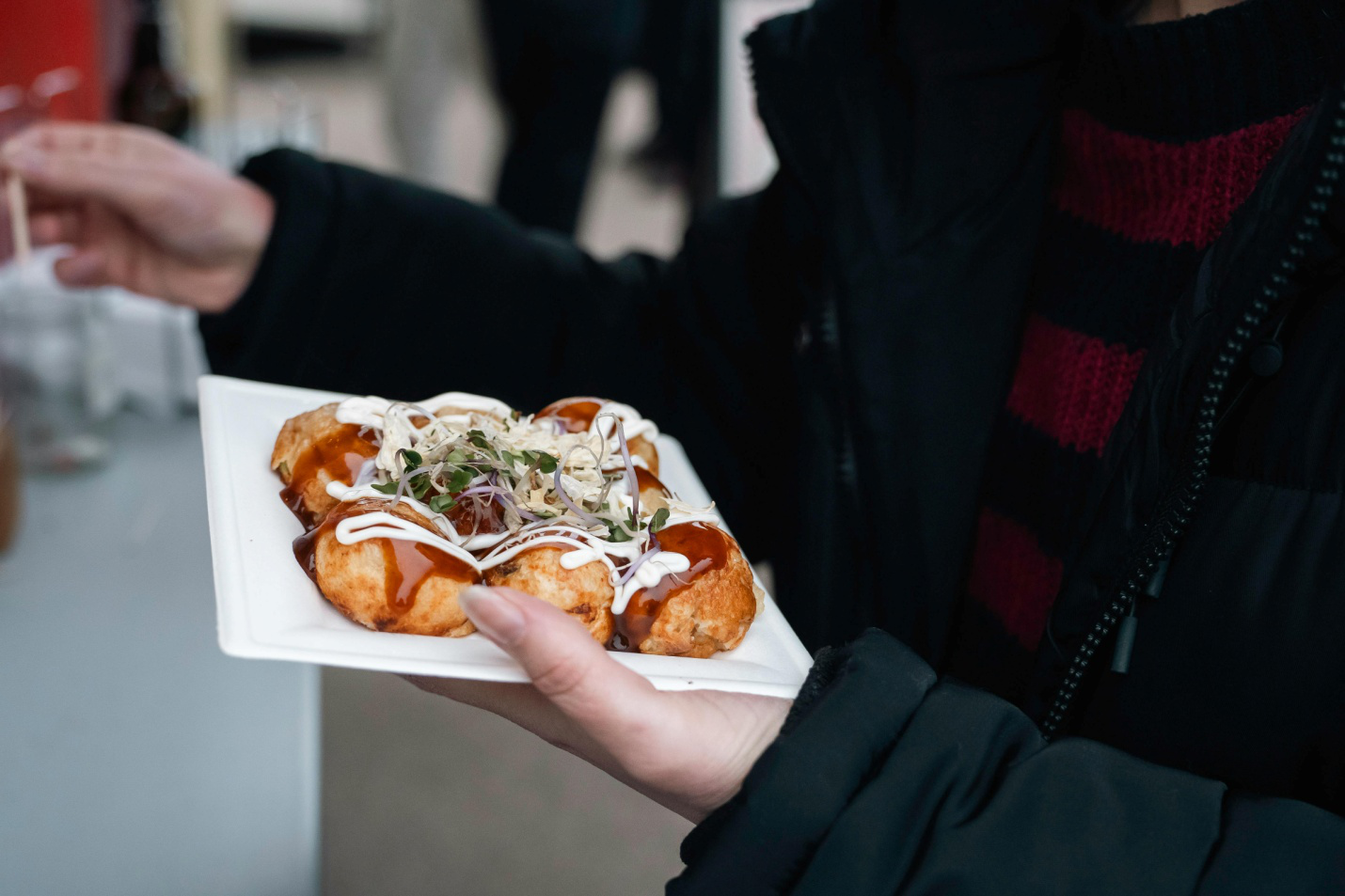
Crowds gather around glowing yatai carts as savory steam curls through the festival air. In Japan, street food isn’t just fast fare; it’s the heartbeat of communal culture. From Osaka’s takoyaki to Fukuoka’s yatai stalls, those handheld bites carry stories of history, connection, and culinary ingenuity.
Here’s how Japanese street food nourishes both appetite and community, and how hands-on cooking brings it all to life.
A Heritage on Wheels
Street vending in Japan traces back to the Edo period, when yatai carts first emerged as simple food sources for travelers and merchants. These mobile stalls, once ubiquitous, now survive largely in places like Fukuoka.
There, late-night yatai, selling ramen, gyoza, mentaiko omelets, and more, have been a nightly ritual for over 80 years, creating intimate dining scenes under city lights.
Everyday Rituals Wrapped in Flavor
Street snacks like Japanese street food, takoyaki, yakitori, and savory okonomiyaki aren’t just quick bites; they’re meant to be shared. Takoyaki, Osaka’s iconic octopus dumplings, spread from a single vendor in 1935 into a national symbol of communal snacking. Despite modern regulations that reduced street stalls elsewhere, these savory bites remain a staple of food culture.
Today, a majority of Japanese street food offerings are non-vegetarian, driven by seafood tradition and tourist tastes.
More Than Food: A Shared Experience
These bite-sized treats become conduits for connection; whether it’s friends passing plates under lanterns or locals bonding over okonomiyaki on festival nights.
Eating at yatai promotes casual interaction and communal warmth in ways formal dining often can’t replicate.
Bringing the Streets to the Kitchen
That communal magic isn’t limited to the streets. Japanese street food can be recreated, and its culture experienced, through immersive cooking.
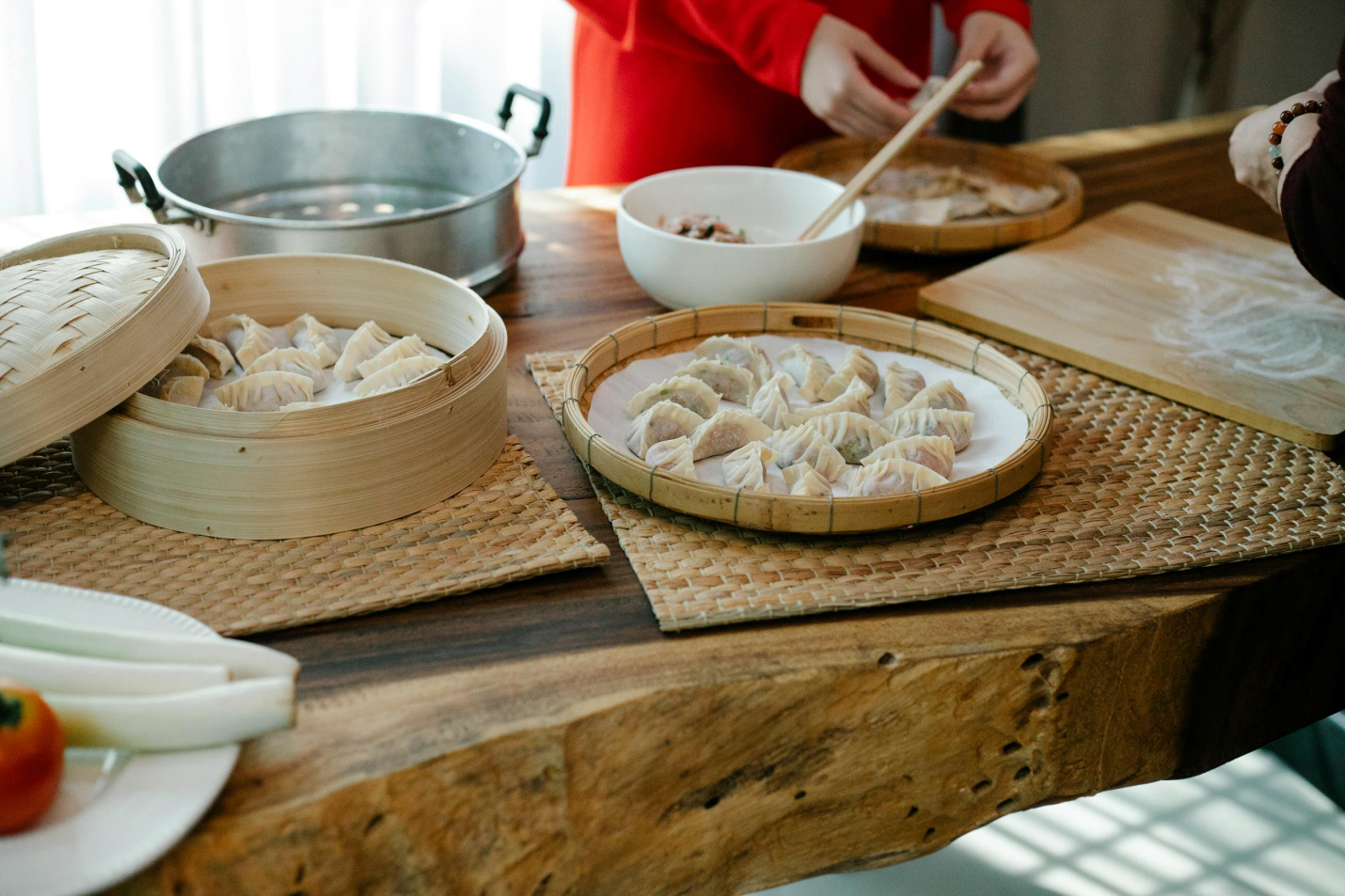
Participating in Japanese street food sessions (like Japanese street food workshops or hands-on cooking classes) allows learners to not only master technique but also understand the cultural rhythms behind each skewer and batter-filled mold.
Cooking together mirrors the lively energy of yatai stalls; technique and tradition entwine, and conversation flows as smells swirl. These cooking classes make it clear that while the setting might change, the spirit of Japanese street food remains intact.
Japanese street food has always been about more than flavor; it’s about energy, connection, and the joy of gathering around something delicious and shared.
Journey Culinary brings that same experience to life through hands-on workshops, including cooking classes in Erie and Japanese street food sessions where dishes like takoyaki or yakitori are taught alongside the traditions they represent.
Whether you’re exploring the art of skewers in a group setting, joining cooking courses in Fort Collins, or hosting private cooking events and green juices classes in Longmont, each class blends technique with cultural storytelling.
Discover how cooking together can capture the spirit of Japan’s street food culture in your own kitchen; contact us now and book your spot in our classes today!