Unexpected folklore, centuries-old laws, and festive rituals; tapas carry the narrative of Spain’s social soul in bite-sized portions. From its murky beginnings to its modern revival, tapas has never been just food; it’s a testament to how meals build community.
Here’s the story, with its rhythms and morsels, and how tapas-making classes become portals into that shared heritage.
Origins Woven with Legend and Function
The word tapa comes from the Spanish verb tapar, meaning “to cover.” One popular tale credits King Alfonso X of Castile (13th century), who, during an illness, required that wine always be served with a small snack to prevent drunkenness, so taverns began serving drinks with accompanying food.
In another version tied to Andalusia’s windy coast, bartenders would place slices of ham or bread over glasses to keep out sand or flies; the “cover” eventually evolved into a symbolic (and savory) accompaniment.
A Ritual of Sociability
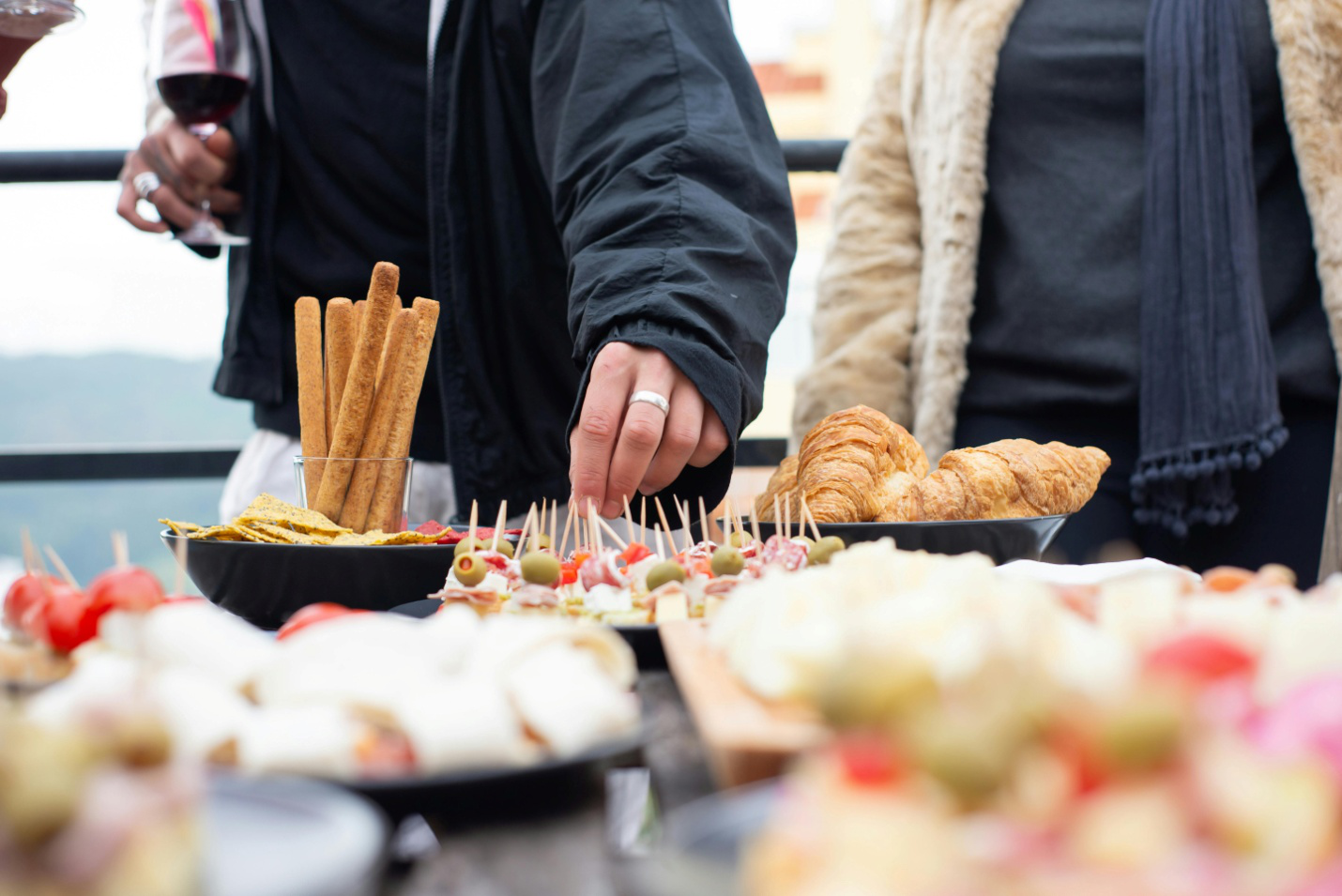
Tapas are designed to be shared; small plates meant for conversation, not solitude. In Andalusia, diners often “tapear”—moving bar to bar, sharing bites in a lively, communal rhythm.
This way of eating creates connection, with studies showing that regular social dining improves well-being and renewal of trust within communities.
Evolution and Identity
As Spain modernized and reached toward global gastronomy, tapas remained a symbol of relaxed generosity. In Andalusian bars today, a drink often still comes with a free tapa, be it olives, croquetas, or jamón, extending the age-old tradition of hospitality.
Meanwhile, tapas have transcended their rustic roots, embraced internationally as gourmet small plates, reflecting local identity through regionally-inspired ingredients.
At the same time, culinary tourism is booming: Spain’s visitor numbers swelled from 5.4 million in 1960 to over 20 million by the end of the decade, in part driven by interest in local dining traditions like tapas.
Shared Plates, Shared Stories
At their core, tapas embody belonging. Each tapa, whether a simple olive or an elaborately flavored croqueta, is a conversation starter. The tradition of communal eating creates intimacy and dissolves formality; sharing food becomes a ritual of solidarity.
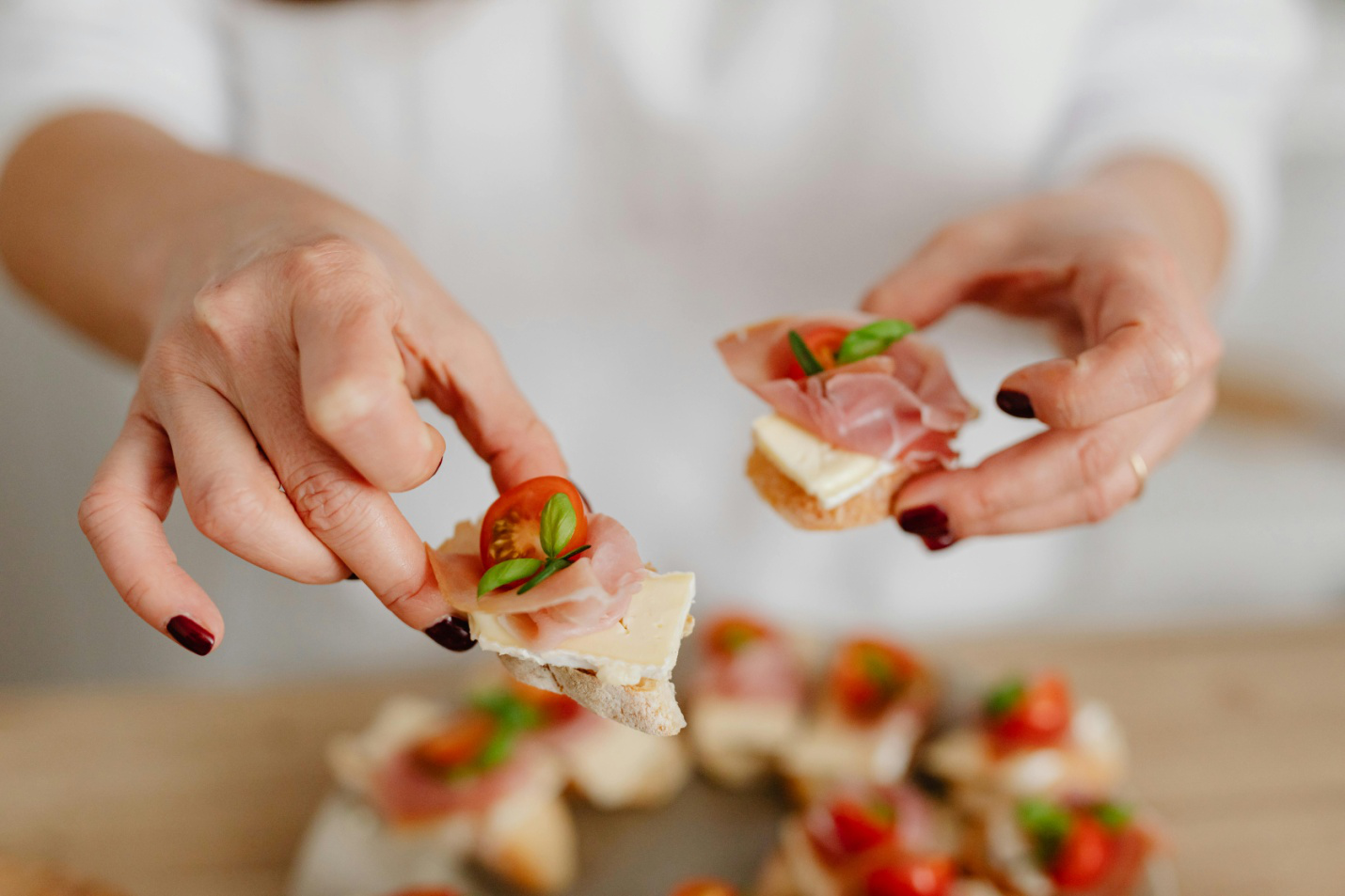
Only at the end does the connection to hands-on learning come naturally: tapas cooking classes in Boulder. They teach not only flavors and techniques but also the cultural choreography of sharing. These classes offer a chance to cook side by side, learn the stories behind regional tapas, and practice tapeo in the kitchen, turning history into hospitality.
Tapas has always been more than a meal; it is a tradition of storytelling, connection, and community carried on through shared plates. Journey Culinary builds on that legacy with engaging experiences like Tapas cooking classes in Boulder, where participants don’t just learn recipes but also explore the history and culture behind them.
From immersive cooking workshops in Boulder to intimate private cooking events in Longmont, each class highlights how food becomes a language of togetherness. By blending technique with cultural context, we turn every session into both a culinary and social experience.
Browse our class calendar today and discover how hands-on learning can bring the spirit of tapas into your own kitchen and gatherings.