Step inside a Middle Eastern cooking class, and the air greets you with the heady scent of toasted cumin, citrusy sumac, and warm cinnamon. It’s not just a meal; you’re learning to create. It’s a story told through layers of spice, slow-cooked meats, and centuries-old techniques passed down from bustling souks to family kitchens.
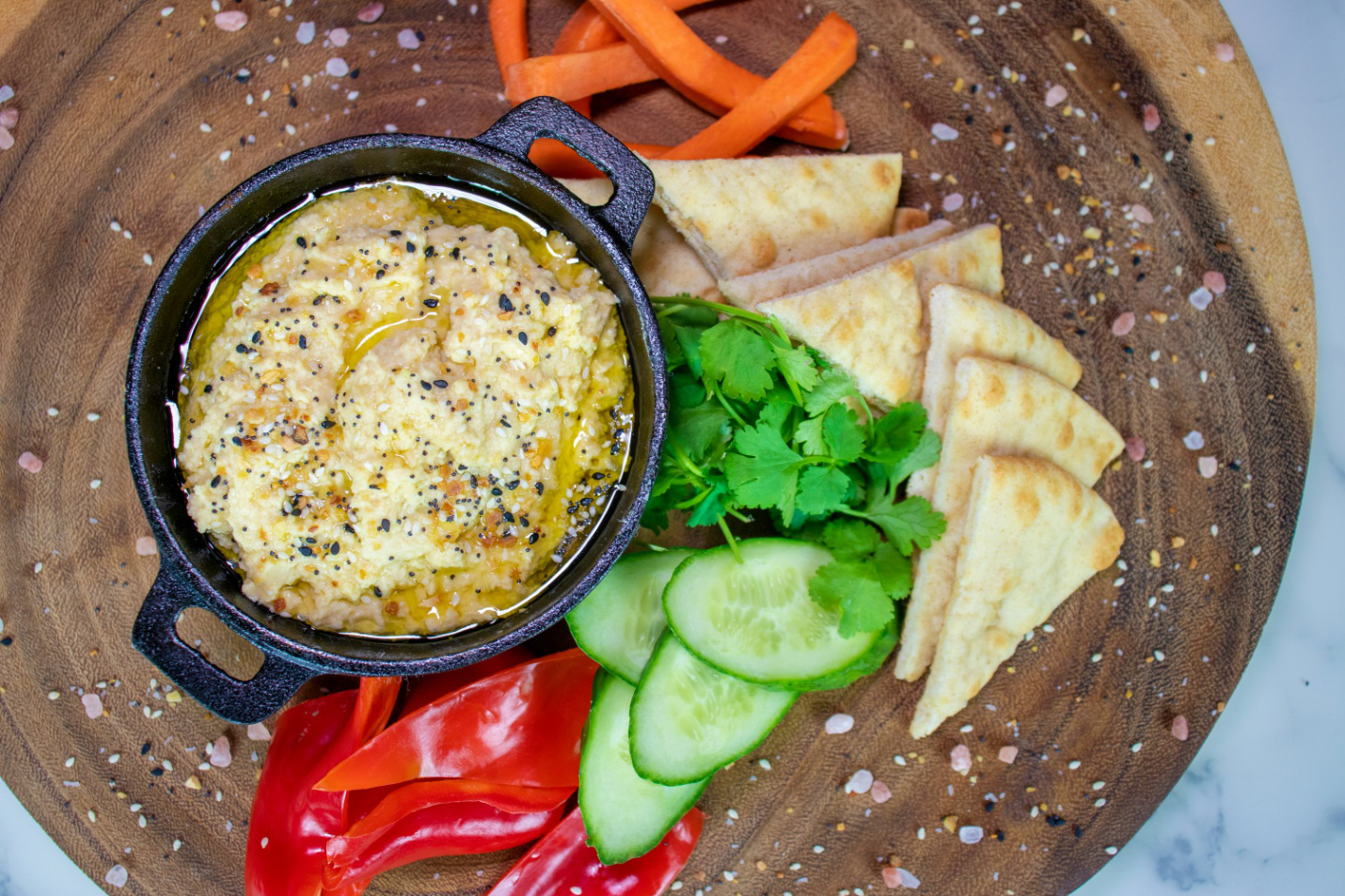
At Journey Culinary, this hands-on experience blends cultural immersion with practical kitchen skills. Led by seasoned chefs, their Middle Eastern cooking class in Longmont unpacks the region’s most beloved dishes: creamy hummus whipped with tahini and garlic, slow-marinated chicken shawarma, and golden baklava with rosewater-scented syrup.
However, these classes are not just about recipes, but about understanding the language of flavor. Here’s what they contain.
The Secret is in the Spices
Spices are the soul of Middle Eastern cuisine. In class, students don’t just follow a recipe; they learn how to blend their own za’atar, toast cardamom pods, and balance warming versus earthy notes.
These techniques build a sensory vocabulary that lasts far beyond the classroom. Studies find that cooking with herbs and spices not only enhances taste but also improves diet quality and encourages mindful eating habits.
Learning how to layer spices, starting with a base of sautéed onions, then blooming spices in oil, empowers home cooks to recreate authentic dishes without relying on shortcuts or packaged mixes.
Culture Meets Culinary Craft
Middle Eastern cooking classes are designed as more than a cooking course; they’re a cultural exploration. While rolling grape leaves or kneading dough for manakish, instructors share the origins of each dish, tracing how time shaped regional flavors.
According to UNESCO, the Mediterranean diet, including many staples of Middle Eastern cuisine, has been recognized as intangible cultural heritage, emphasizing the value of traditional foodways and communal eating.
By including dishes from Lebanon, Syria, and Palestine, students gain an understanding of both culinary and historical depth.
From Hummus to Hospitality
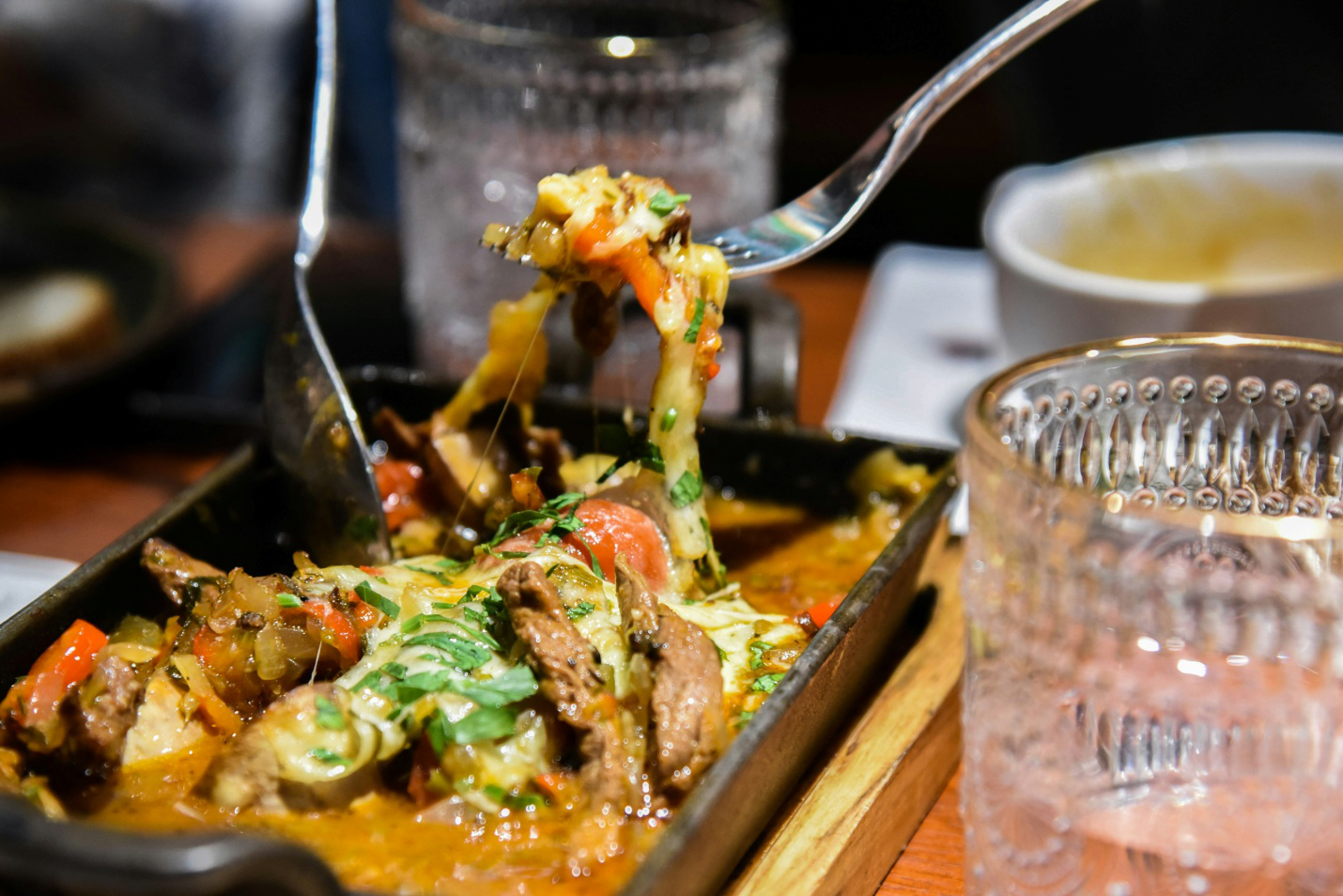
Food in Middle Eastern culture is inseparable from hospitality. That ethos guides every class session. Whether you’re learning to marinate lamb with preserved lemons or perfecting a drizzle of pomegranate molasses, each step reflects a deeper commitment to care and generosity.
For those looking to deepen their culinary journey, the spice blending sessions echo lessons from Journey Culinary’s nutrition juicing classes in Longmont, where students discover the healthful benefits of herbs like turmeric and mint.
Research shows that traditional Middle Eastern spices such as cumin and coriander may aid digestion and support anti-inflammatory diets.
Whether you’re a curious home cook or planning a private cooking event in Longmont, the Middle Eastern cooking classes by Journey Culinary provide more than just skills; they deliver inspiration.
With each spoonful of saffron rice or slice of handmade flatbread, you’re learning to respect not only technique, but heritage.
Our students leave feeling more confident in the kitchen and more connected to the cultures behind the cuisine. Due to its cultural exposure and culinary teachings, the class remains one of the most loved experiences across our cooking classes near Longmont. Curious about experiencing our Middle Eastern cooking class in Longmont? Book your slot today.